
Name & classification
Aliases, substance class and mechanism help orientation, but are not evidence of effectiveness.
Quality documentation since 2019
PeptideLabs explains peptides, mechanisms, research status, GLP-1, quality control and laboratory testing clearly in one place.
Ask PeptideLabs · no AI cost
Ask a short question or name a substance. This guide searches the existing PeptideLabs content in your browser and takes you to the relevant detailed page.
No AI API · no quota · nothing is sent or stored

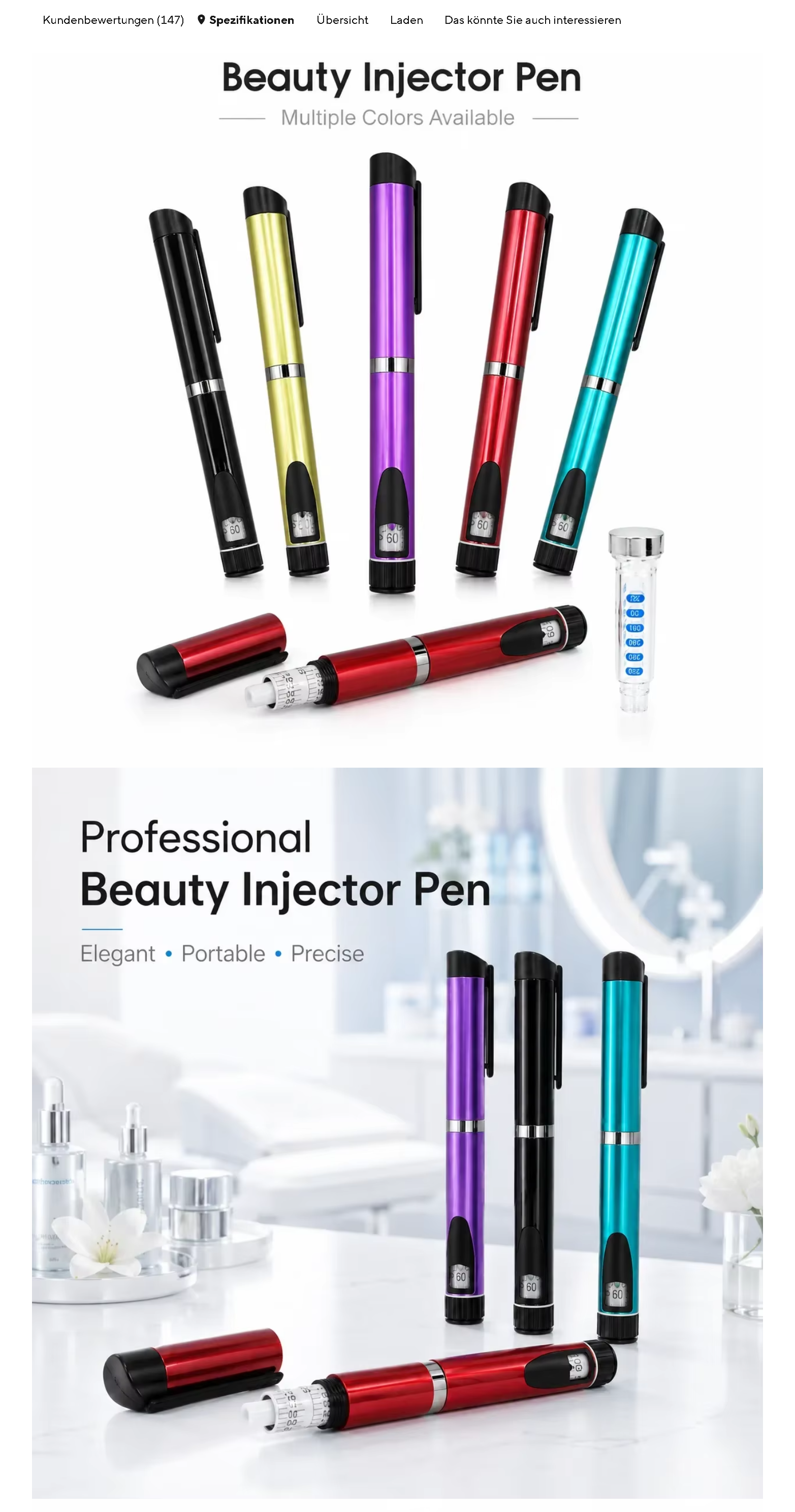
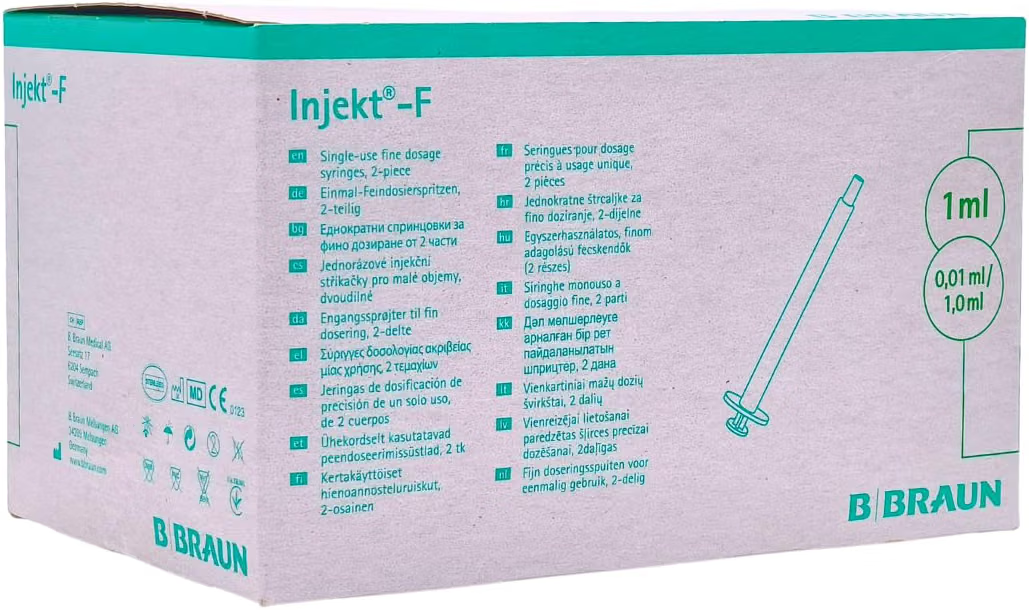
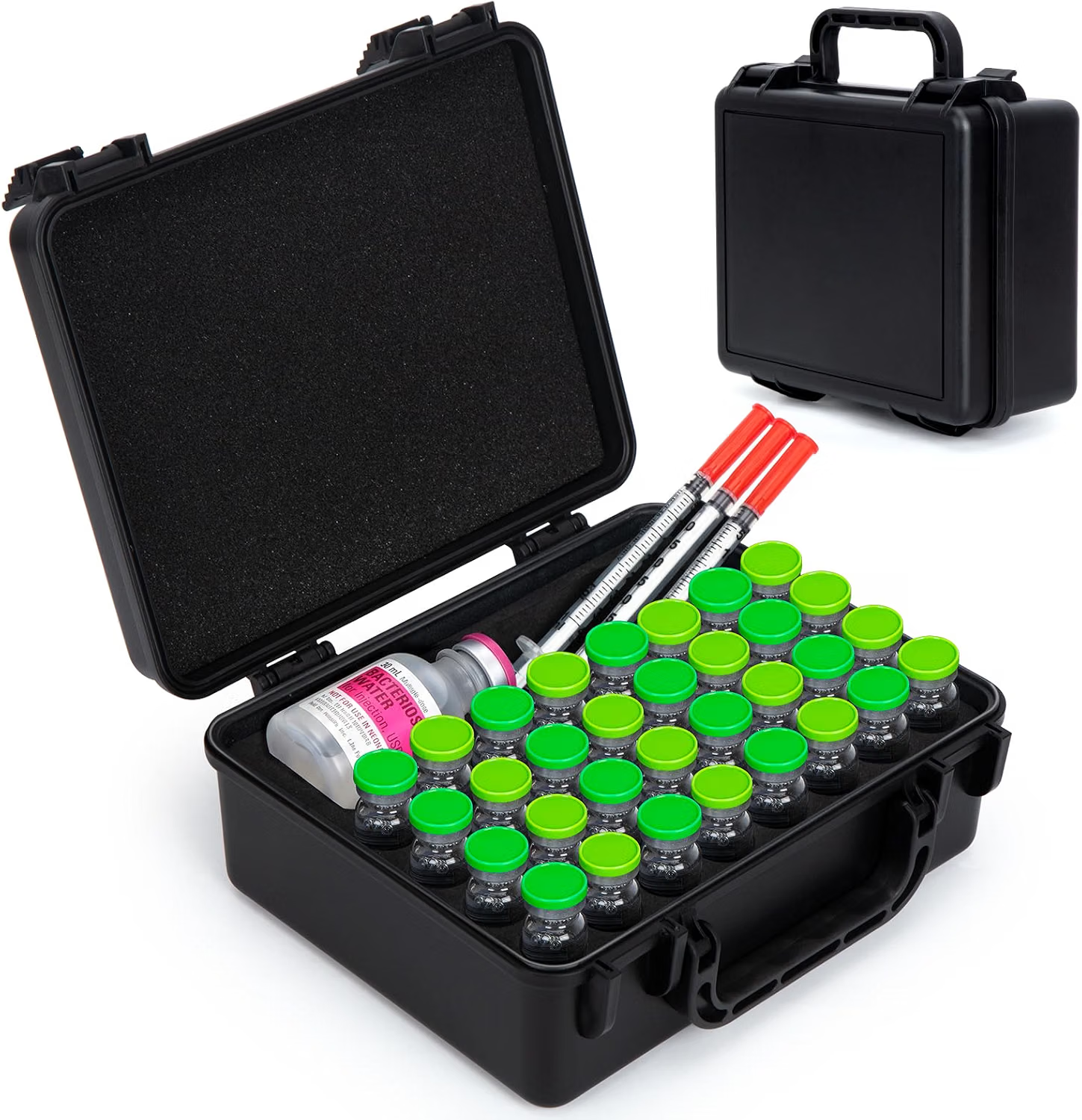
Accessories
Browse products, choose a pack and enquire by email.
Publisher & review path
Thomas Thome carries editorial responsibility. A defined process sits behind it: clarify status, separate evidence levels, link sources and document changes openly.
Publisher & responsible editor: Thomas Thome
What matters is not the number of sources, but which question a source can genuinely answer.
This identifies editorial and legal responsibility. No medical or pharmaceutical qualification is claimed.
Research Pulse
New context, revised profiles and visible data dates turn the atlas into a living reference.
How to read PeptideLabs
Every page combines four layers that are often blurred together. This makes clear what is established, what is still being studied and where evidence is missing.

Aliases, substance class and mechanism help orientation, but are not evidence of effectiveness.
Approval, indication, region and development stage are considered separately rather than collapsed into one label.
Study type, measurement method and source determine how much weight a statement can carry.
Missing human, long-term or quality data remain visible instead of being replaced by certainty.
Peptide Atlas
Short profiles covering active class, mechanism, research focus and regulatory status — without peptide sales or use instructions.